
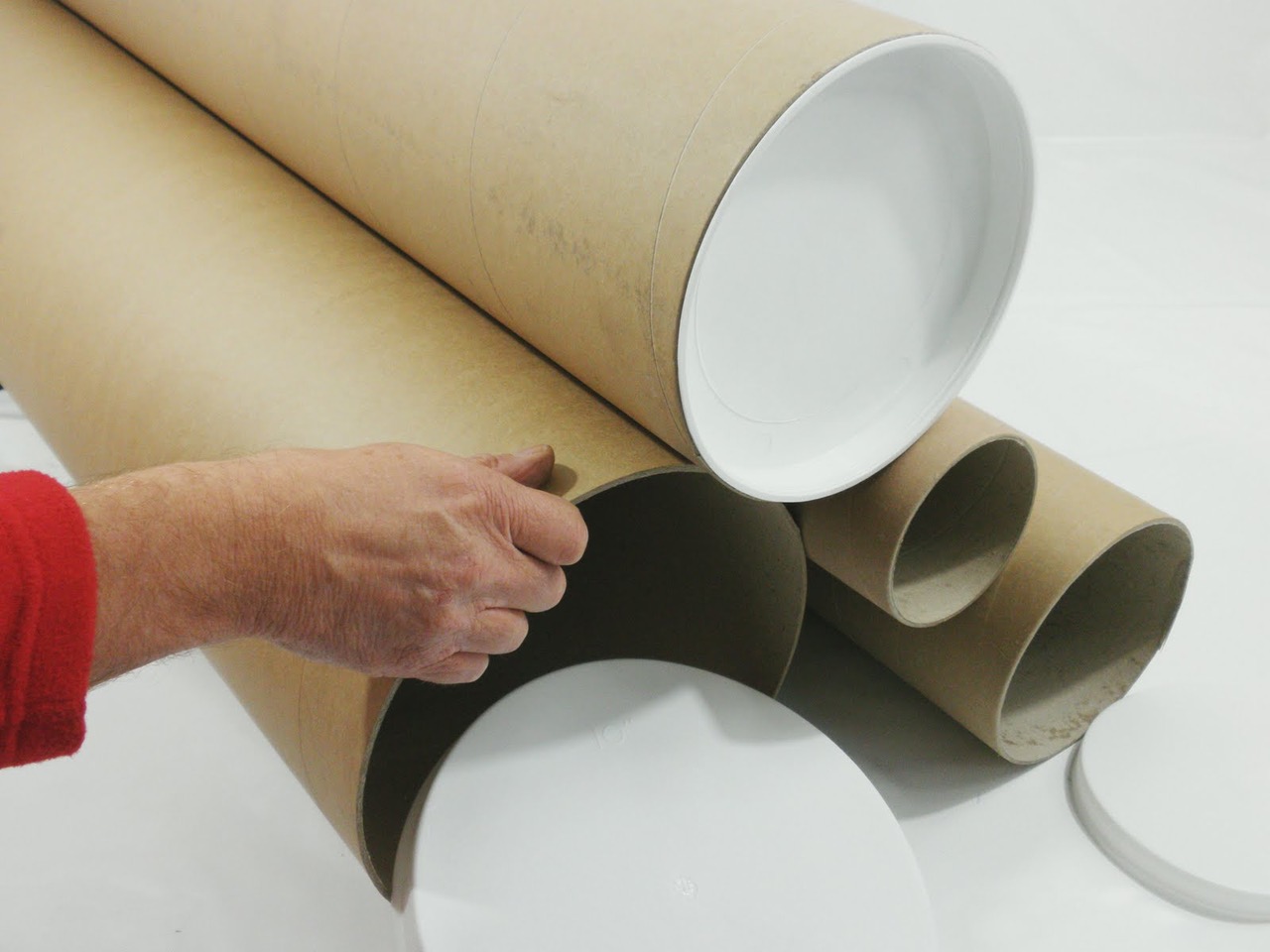
Art Grade Postal Tubes: Stronger Protection for Valuable Artwork
Read Time:9 Minute, 29 Second
Sending artwork through the post can be worrying. A print that took hours to create may pass through several depots, vehicles and sorting systems before reaching its new owner.
During that journey, the package may be stacked, dropped or placed beneath heavier parcels. A lightweight mailing tube may be suitable for an inexpensive poster, but valuable artwork often needs something stronger.
This is where art grade postal tubes can make a real difference.
What are art grade postal tubes?
Art grade postal tubes are extra-strong cardboard tubes made for valuable or delicate rolled items.
They are suitable for:
- Fine art prints
- Original drawings
- Watercolours
- Photographs
- Limited-edition posters
- Architectural plans
- Maps and technical drawings
- Exhibition graphics
- Large presentation documents
They work in the same basic way as ordinary postal tubes. The artwork is carefully rolled, placed inside the tube and protected by secure end caps.
The main difference is the strength of the tube itself.
Art grade tubes normally have thicker walls, stronger board and a more rigid construction. This helps them resist crushing, bending and impact during delivery.
Why should artists use stronger postal tubes?
Artists are not simply sending sheets of paper. They may be sending original work, numbered prints or photographs that cannot be easily replaced.
Even when an item can be reprinted, damage still creates extra work. The seller may need to arrange a replacement, pay another delivery charge and deal with an unhappy customer.
Better packaging helps reduce that risk.
Protection against crushing
Parcels are often stacked during collection and delivery. A thin tube can become flattened when a heavier box is placed on top of it.
A thick-walled art grade tube provides a much stronger barrier around the contents. It is better able to hold its shape when pressure is applied.
Less bending and flexing
Long tubes can flex when they are lifted or handled. Too much movement may crease the artwork inside.
The rigid walls of an art grade postal tube help keep the package straight. This is especially important for large prints, plans and panoramic photographs.
Reduced curling
A narrow tube forces artwork into a tight roll. This can make a print difficult to flatten after delivery and may place stress on delicate paper.
Wider tubes allow artwork to be rolled more gently. This can reduce curling, creasing and damage to the printed surface.
Better protection for the edges
The edges of a print are often the first areas to suffer damage. If the artwork is packed too tightly or reaches the ends of the tube, it may be marked when the parcel is dropped.
A correctly sized tube leaves room for the artwork and its protective wrapping. Strong end caps also help protect the contents from impacts, dust and dirt.
What makes an art grade postal tube stronger?
The strength of a postal tube depends on more than its appearance.
Several construction features help art grade tubes provide better protection.
Extra-thick walls
Wall thickness has a major effect on crush resistance.
Many lightweight mailing tubes have relatively thin walls. Art grade versions are made with thicker layers of board, which creates a firmer and more substantial tube.
For example, Defenda Packaging’s specialist Art Grade range includes tubes with a 4mm wall thickness. This extra thickness makes the tubes suitable for demanding postal and courier networks.
Spiral-wound construction
High-quality cardboard tubes are formed by winding several layers of board around a cylindrical former.
The layers are bonded together in a spiral pattern. This creates a strong, continuous tube wall and helps spread pressure across the package.
A well-manufactured spiral-wound tube is far harder to squash than a simple sheet of card rolled into shape.
Dense, high-quality board
The type of board also matters.
Dense board produces a more rigid tube with better resistance to knocks and compression. Poor-quality material may feel thick but can still soften, split or lose its shape under pressure.
Consistent manufacturing is therefore just as important as the stated wall thickness.
A wider diameter
Diameter does not directly make the tube wall stronger, but it can provide better protection for the contents.
A wide tube allows artwork to be rolled with less tension. It is particularly useful for thicker paper, delicate prints, canvases and multiple items packed together.
Secure end caps
The ends are vulnerable parts of any postal tube.
Strong plastic or metal end caps help keep the contents secure and protect them from dirt and accidental movement. Caps should fit firmly and may also be secured with suitable packaging tape before dispatch.
The benefits for professional artists and print sellers
Good packaging does more than prevent physical damage. It also affects how customers see the business.
A more professional arrival
The packaging is often the first physical part of an order that a customer sees.
A solid, well-made postal tube suggests that the seller values the artwork inside. It creates a better first impression than a weak or damaged package.
Fewer replacements and refunds
A damaged delivery can quickly remove the profit from a sale.
There may be costs for reprinting, repacking, customer service and repeat postage. For an original piece, a direct replacement may not even be possible.
A stronger tube is a relatively small investment compared with the cost of dealing with damaged artwork.
Greater customer confidence
Collectors and art buyers expect their purchases to be treated carefully.
Reliable packaging can lead to better reviews, repeat orders and recommendations. It shows that the artist or gallery takes responsibility for the full customer experience, not only the creative work.
Useful for storage as well as delivery
Art grade tubes can also protect work before it is sold.
They can be used to organise prints, plans and photographs in a studio, office or archive. Their rigid construction helps protect stored items from dust, knocks and accidental crushing.
Choosing the right tube for your artwork
The best tube will depend on the size, thickness and value of the item.
Consider the following points before ordering:
Length
Choose a tube that is slightly longer than the rolled artwork.
Remember that end caps normally extend into the tube and reduce its usable internal length. Do not allow the edges of the artwork to press directly against the caps.
Diameter
Use a diameter that allows the work to be rolled without excessive force.
Delicate prints, paintings and photographic paper may benefit from a wider tube because it creates a gentler curve.
Wall thickness
For low-value posters, a standard mailing tube may be sufficient.
For original work, limited editions or items travelling through a courier network, a thick-walled art grade tube provides greater peace of mind.
End-cap type
Plastic caps are practical, secure and easy to fit. Metal caps can offer a distinctive finish and may be useful for storage or presentation.
Whichever style is used, check that both caps fit firmly before dispatch.
Recommended art grade postal tubes from Defenda Packaging
Defenda Packaging manufactures a broad range of extra-heavy-duty postal tubes for artists, photographers, print studios and galleries.
Its Art Grade tubes are made from thick, spiral-wound board and are available in several lengths and diameters. The range includes tubes for common artwork sizes as well as large-format and bespoke requirements.
A3 art grade postal tubes
These 330mm-long tubes are designed for artwork up to A3 size. Their wide 4-inch diameter allows prints to be rolled more gently, while the 4mm wall offers strong protection against crushing.
View A3 Art Grade postal tubes at Defenda Packaging
A2 art grade postal tubes
The A2 version measures approximately 450mm in length. It combines a wide 4-inch diameter with a strong 4mm spiral-wound wall, making it suitable for prints, photographs, watercolours and presentation materials.
View A2 Art Grade postal tubes at Defenda Packaging
A1 art grade postal tubes
These 635mm tubes are suitable for artwork up to A1 size. The wider internal space helps reduce tight rolling, while the heavy-duty wall provides strong protection for larger prints.
View A1 Art Grade postal tubes at Defenda Packaging
A0 art grade postal tubes
For large-format work, Defenda Packaging offers an A0 tube with a 6-inch diameter and a 4mm wall. The generous diameter is useful for larger paintings, exhibition graphics, photographs and multiple rolled prints.
View A0 Art Grade postal tubes at Defenda Packaging
You can also browse the full Art Grade postal tube range to compare lengths, diameters and end-cap options.
 A3 Art Grade Postal Tubes
View product
A2 Art Grade Postal Tubes
View product
A1 Art Grade Postal Tubes
View product
A0 Art Grade Postal Tubes
View product
A3 Art Grade Postal Tubes
View product
A2 Art Grade Postal Tubes
View product
A1 Art Grade Postal Tubes
View product
A0 Art Grade Postal Tubes
View product
High-quality British packaging manufacture
The performance of a postal tube depends on the care taken during manufacture.
The board must be wound evenly. Adhesive must be applied consistently. The finished tube must have a uniform wall and hold its cylindrical shape throughout storage and delivery.
Defenda Packaging has developed its Art Grade range for customers who cannot afford to take chances with valuable work. Its products combine robust materials, thick walls and practical sizes for artists, photographers and creative businesses.
The company also offers unusual dimensions and custom-made postal tubes for work that does not fit standard sizes.
This makes Defenda Packaging a strong choice for both independent artists and larger organisations that need dependable packaging.
How to pack artwork safely
Even the strongest tube must be used correctly.
Allow the artwork to dry fully before packing it. Place acid-free tissue or a suitable protective sheet over delicate printed or painted surfaces.
Roll the work carefully. Do not make the roll tighter than necessary.
Place the rolled item inside a protective sleeve or wrapping before sliding it into the tube. Avoid forcing it through an opening that is too narrow.
Leave a small amount of space at both ends. This prevents the artwork from touching the caps if the parcel is dropped.
Fit the end caps firmly and secure them with strong tape when required. Finally, attach the delivery label to a clean, flat section of the tube.
Are cardboard art tubes recyclable?
Cardboard postal tubes can often be reused or recycled, although customers should check the rules provided by their local authority.
Plastic or metal end caps may need to be removed and recycled separately.
A strong tube may also be reused for storing prints, drawings, wrapping paper or documents. This extends the useful life of the packaging.
Better protection can have a further environmental benefit. When artwork arrives safely, there is no need to manufacture and transport a replacement.
Strong packaging protects more than the artwork
Art grade postal tubes provide greater strength, rigidity and crush resistance than lightweight mailing tubes. Their thicker walls and wider diameters help protect valuable prints from bending, creasing and tight curling.
For artists and print sellers, this can mean fewer damaged orders, lower replacement costs and happier customers.
Defenda Packaging’s carefully manufactured Art Grade range offers reliable choices for everything from A3 prints to oversized artwork. When a piece matters to its creator and its buyer, choosing stronger packaging is a sensible final step.
A3 Art Grade Postal Tubes
View product
A2 Art Grade Postal Tubes
View product
A1 Art Grade Postal Tubes
View product
A0 Art Grade Postal Tubes
View product


Happy
0 %

Sad
0 %

Excited
0 %

Sleepy
0 %

Angry
0 %

Surprise
0 %
 0
0
 0
0